Communication
gets you promoted.
You know the rulebook. Now develop the skill that gets you noticed.
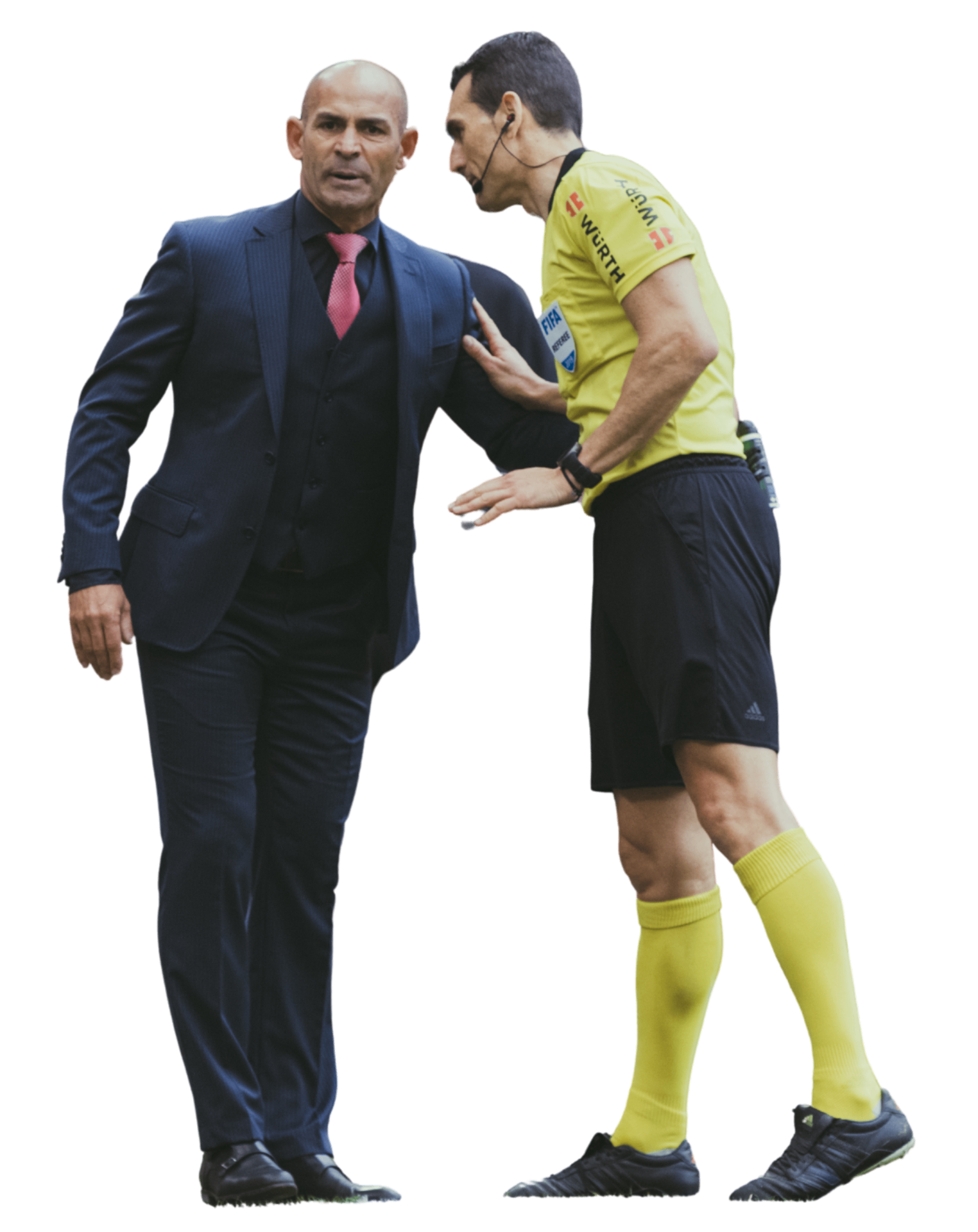
Built for the floor.

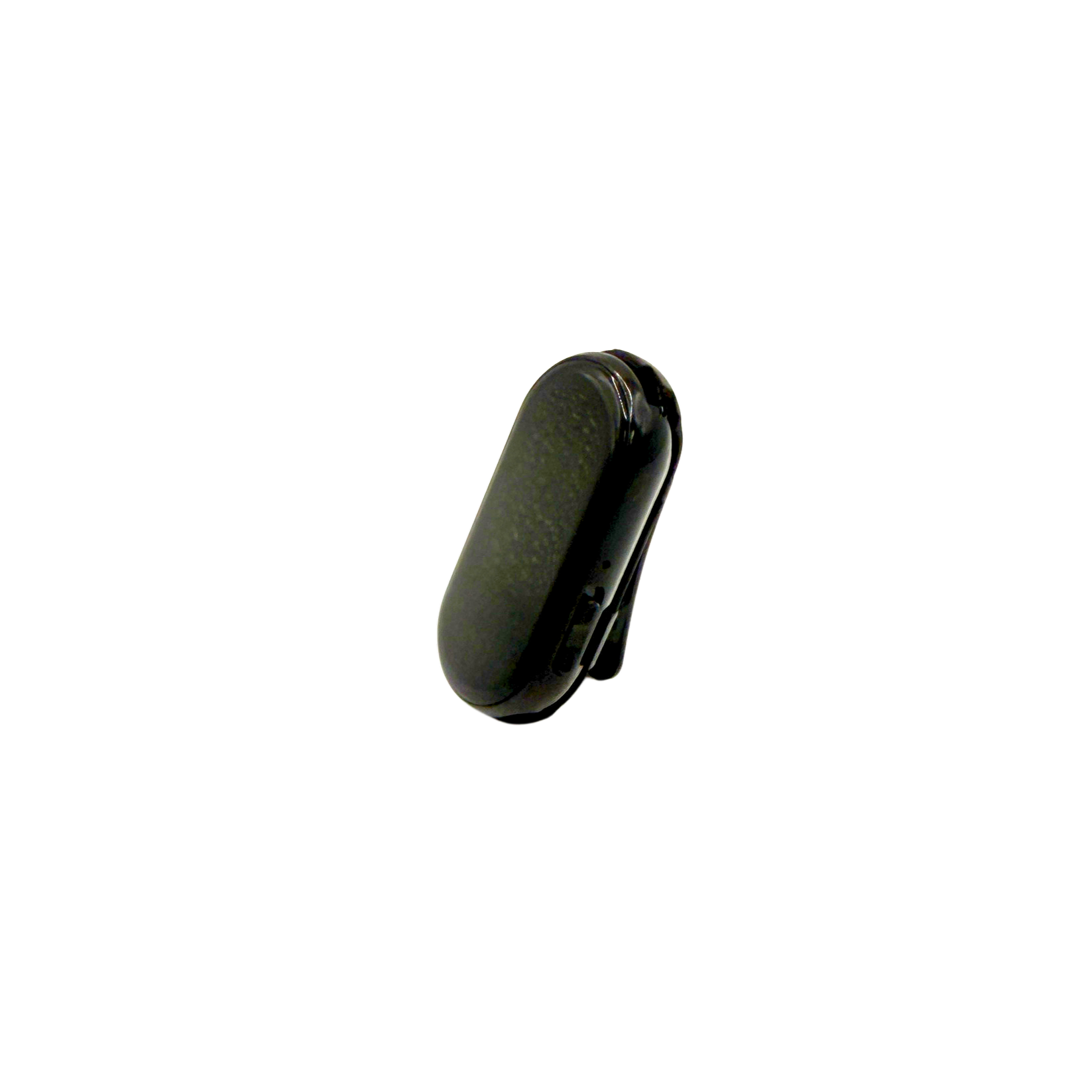
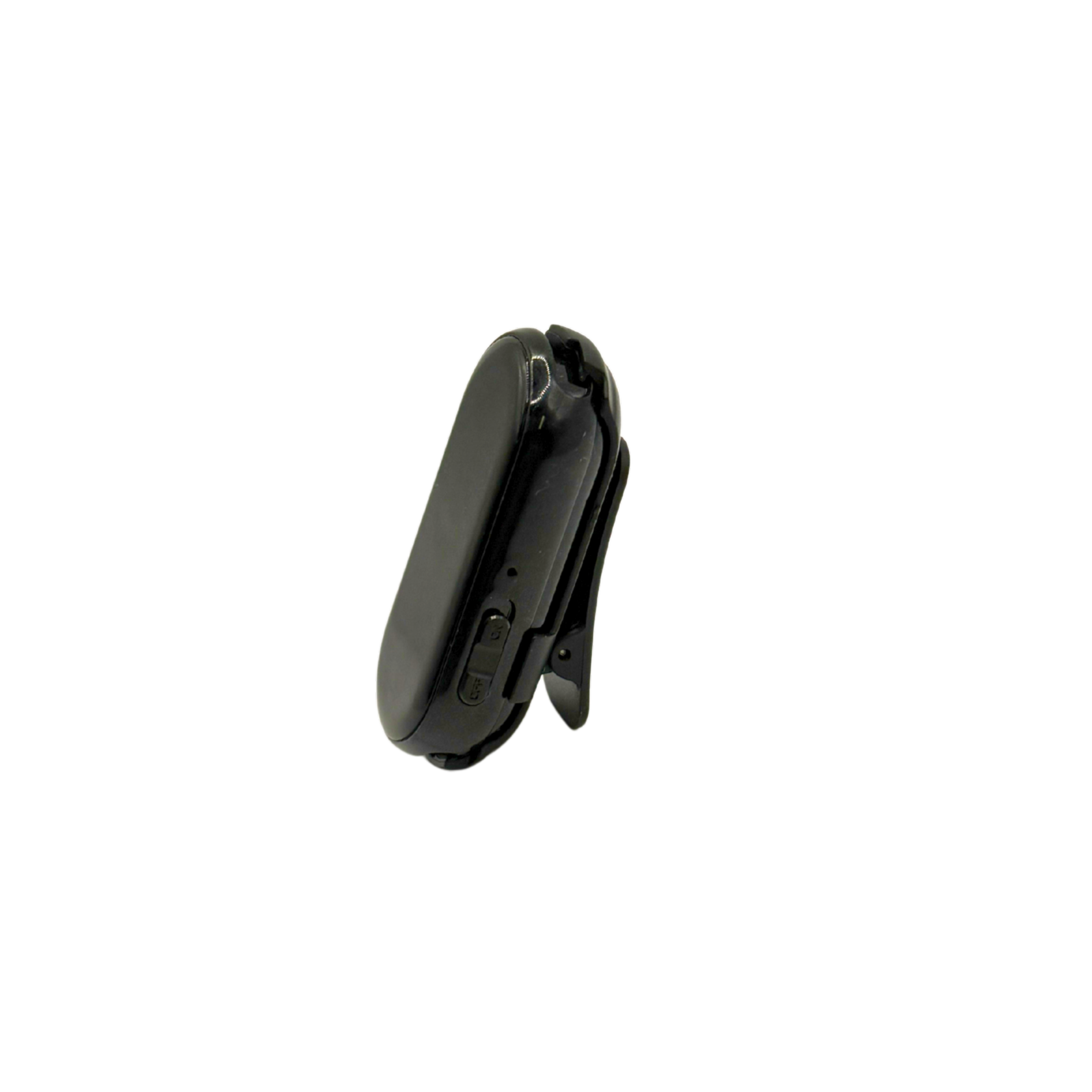
There's a difference
between knowing a rule
and explaining it correctly
under pressure.
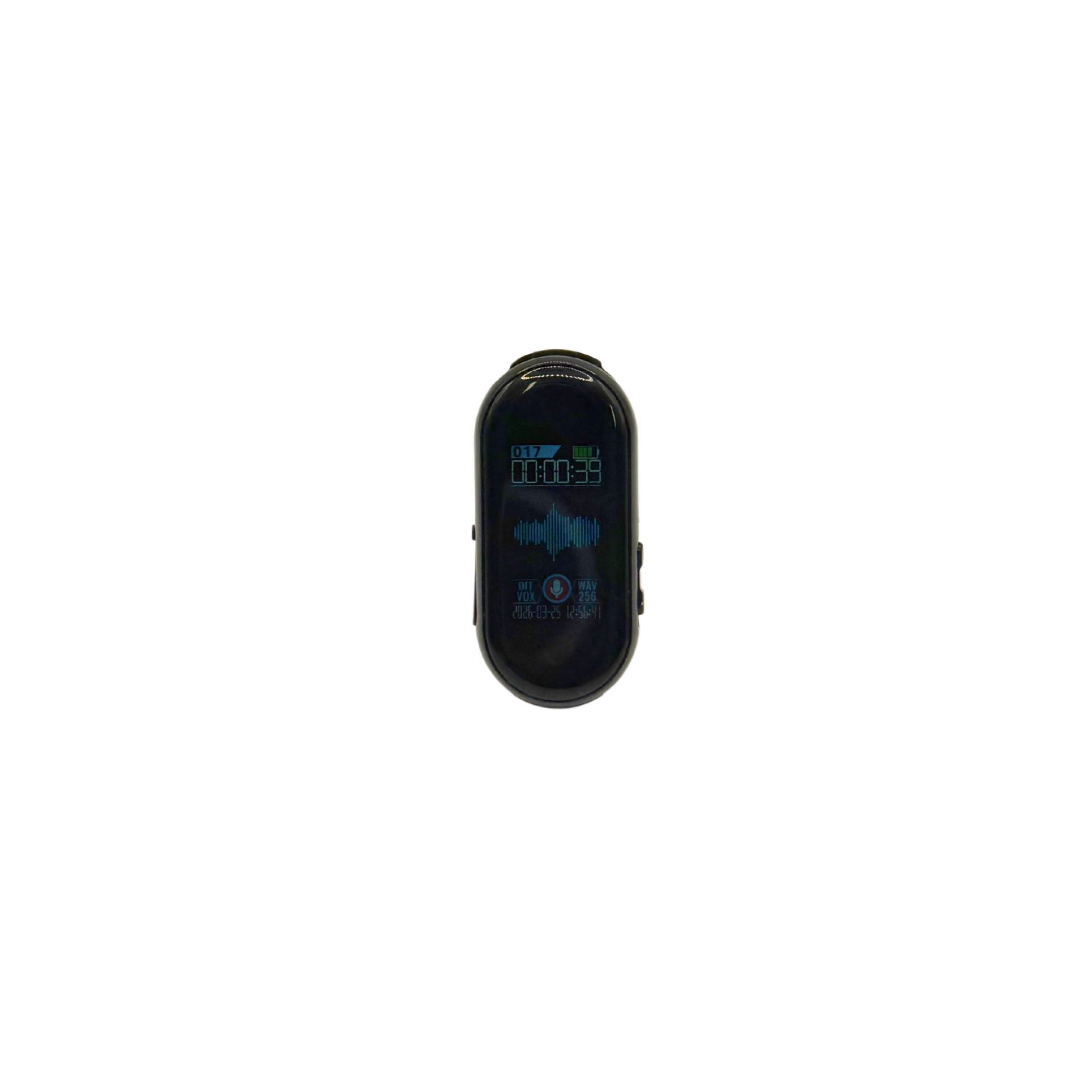
Mic'd Up compares your in-game explanations against the rulebook automatically — and flags inconsistencies in your breakdown. Not to grade you. To catch the gap before a coach does, so you can correct it in training instead of on the floor. You see it first.
Mic'd Up compares your in-game explanations against the rulebook automatically — and flags inconsistencies in your breakdown. Not to grade you. To catch the gap before a coach does, so you can correct it in training instead of on the floor. You see it first.
"That's a foul — you can't make contact with the shooter after the ball leaves their hand."
"An airborne shooter is a player who has released the ball on a try for a goal and has not returned to the floor." Contact after release is still subject to a foul if it affects the shooter's landing or follow-through.
First month
on us.
Fair questions
before you decide.
No. Your audio is processed automatically — the app identifies communication moments without anyone on our team hearing your games. Your recordings are encrypted and private by default. Nothing reaches anyone unless you actively share it. Your association can request access to a specific game if they need context for an investigation — you'll know when that happens.
We'd encourage you to let your association know before your first game — and most are supportive when you ask. The "I'm Mic'd Up" armband makes it easy to be upfront with coaches and players on the floor too, without needing a mid-game conversation. Transparency has never hurt a referee's reputation.
No — and a tool can't. What it replaces is the guesswork in your development conversations. Your mentor's judgment, your evaluator's read — those stay theirs. Mic'd Up just gives both of you something real to apply it to, instead of reconstructing a game neither of you fully remembers.
Your data is deleted 30 days after your season ends. We don't hold onto it indefinitely. During the season, your data helps improve how our system processes audio. After deletion, we may ask your permission to keep a small anonymized sample for product development — with all names, dates, and locations scrubbed. If you say no, nothing is kept.