How you communicate shapes how you're perceived — often more than the call itself. Managing the game, framing tough calls, holding composure under pressure — these skills don't develop in a classroom — they develop from your own game footage.

Built for referees.
Great officials develop
on purpose.This is how.

Mic'd Up captures your critical communication moments — bench exchanges, de-escalation, call explanations. The skills that get you moved up but are the hardest to get feedback on.
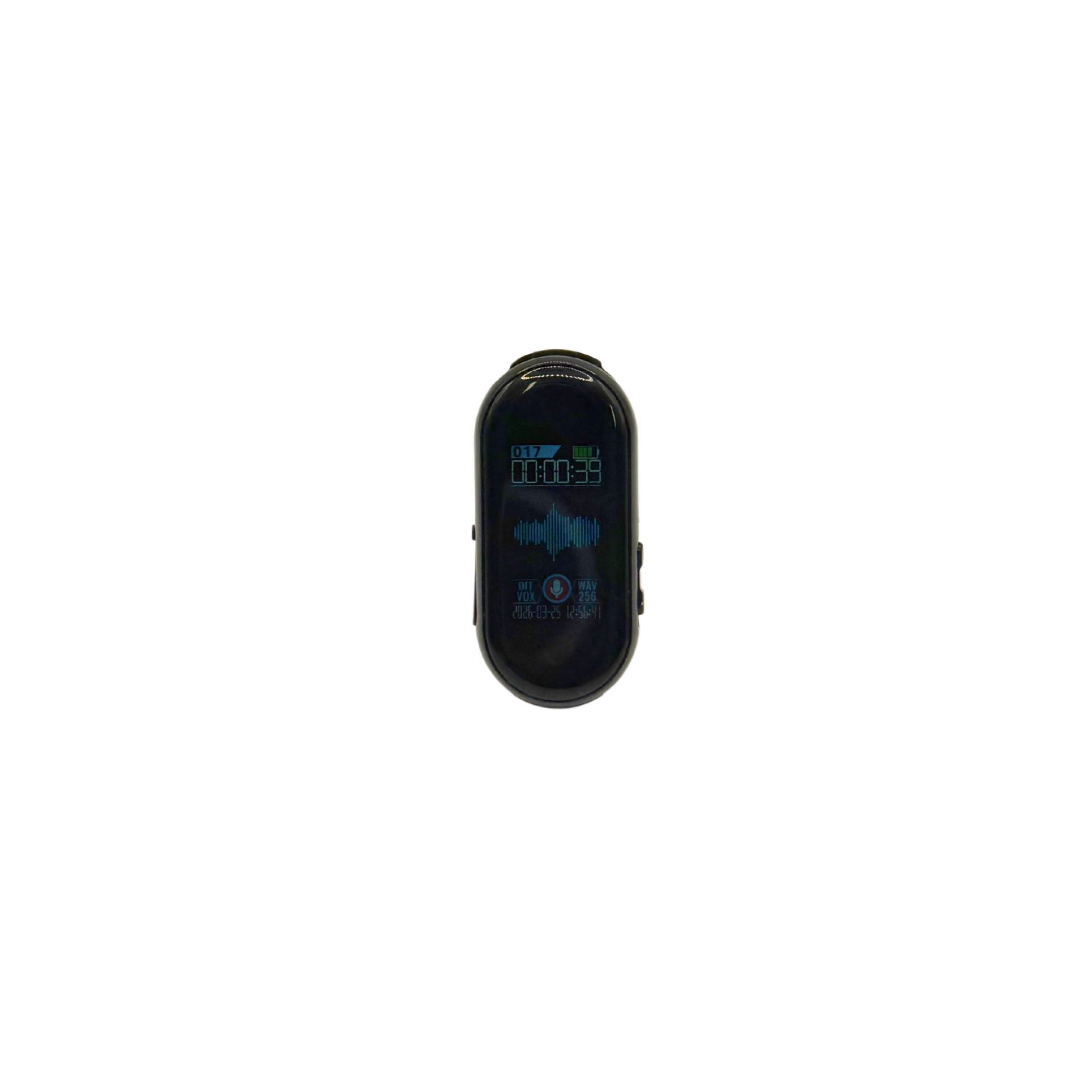
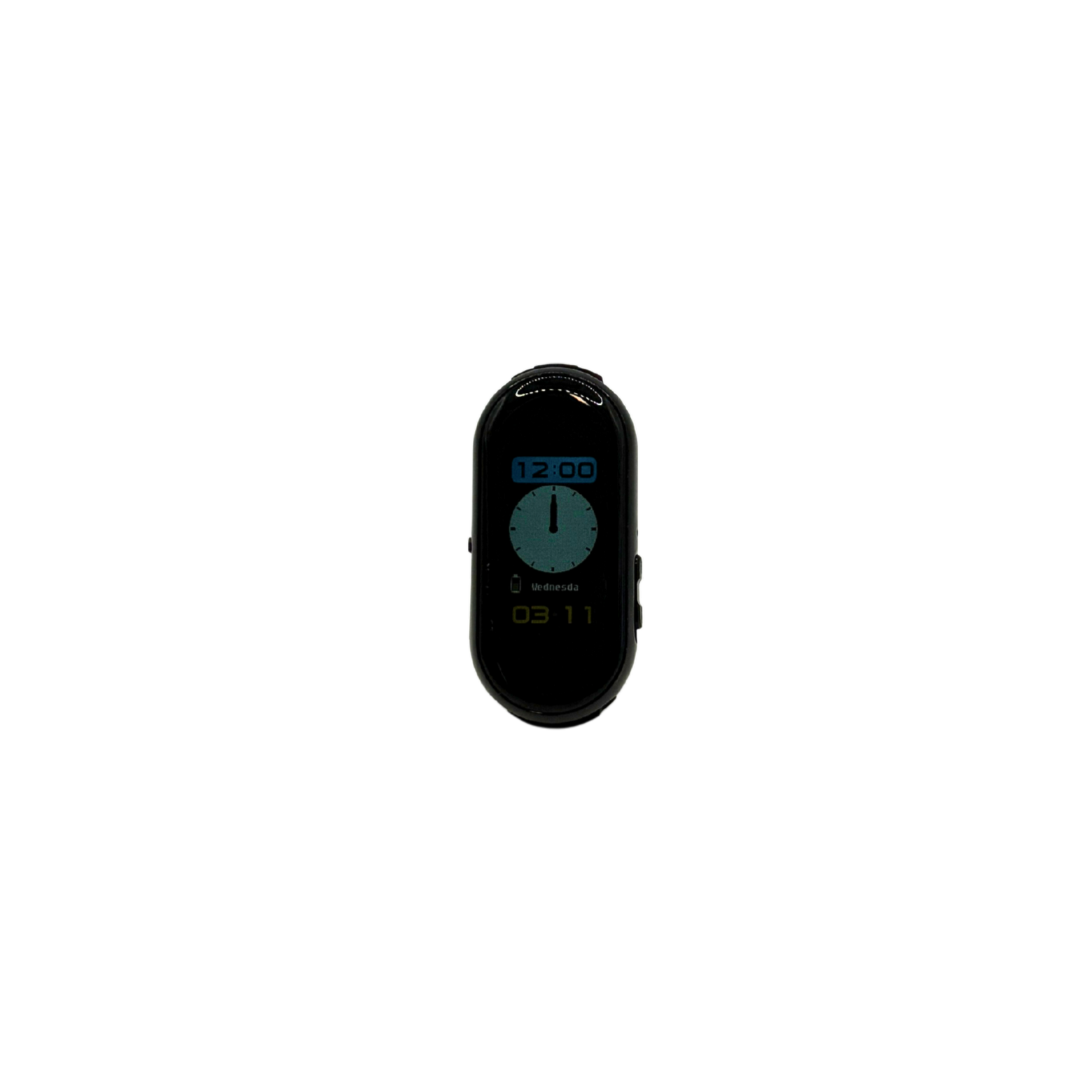
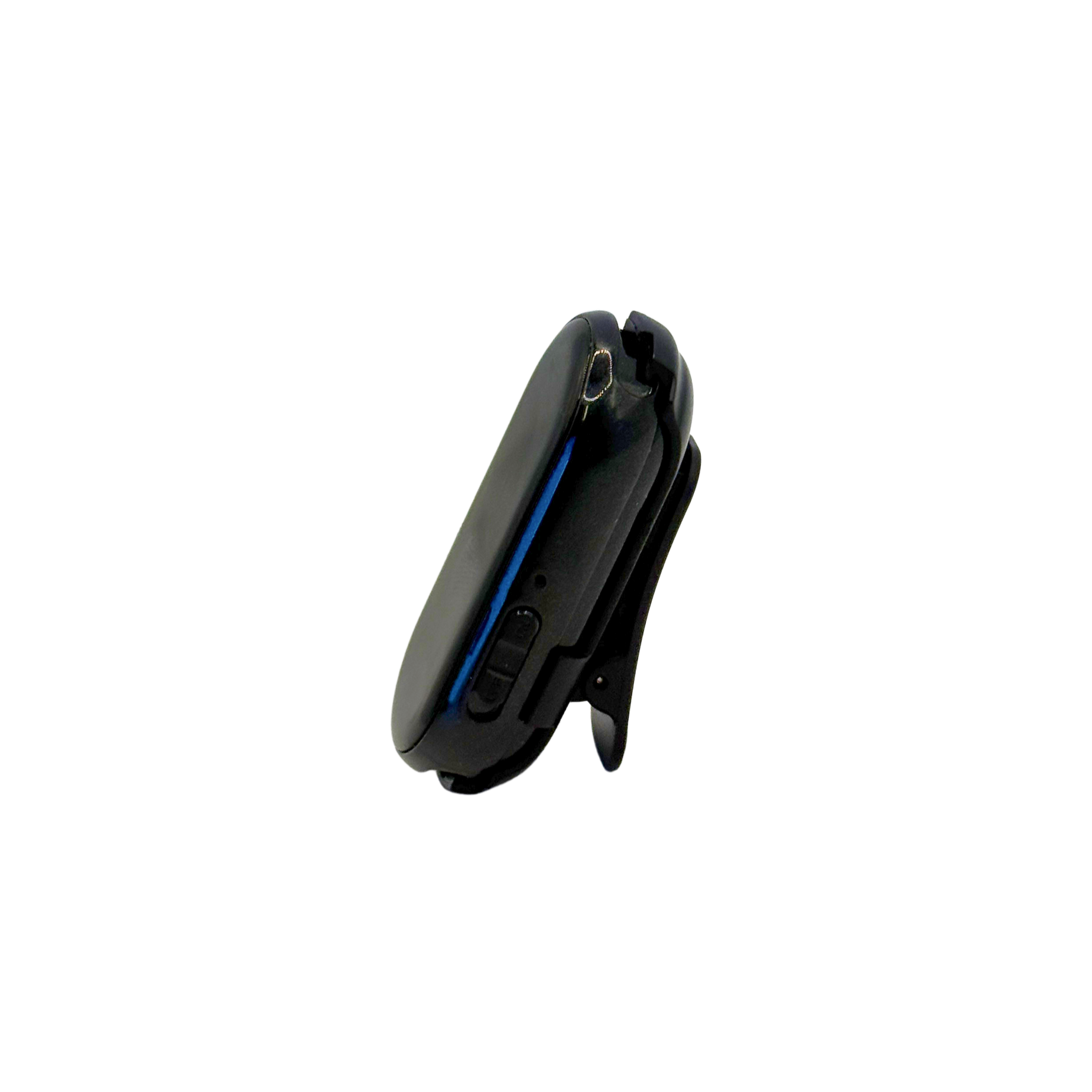
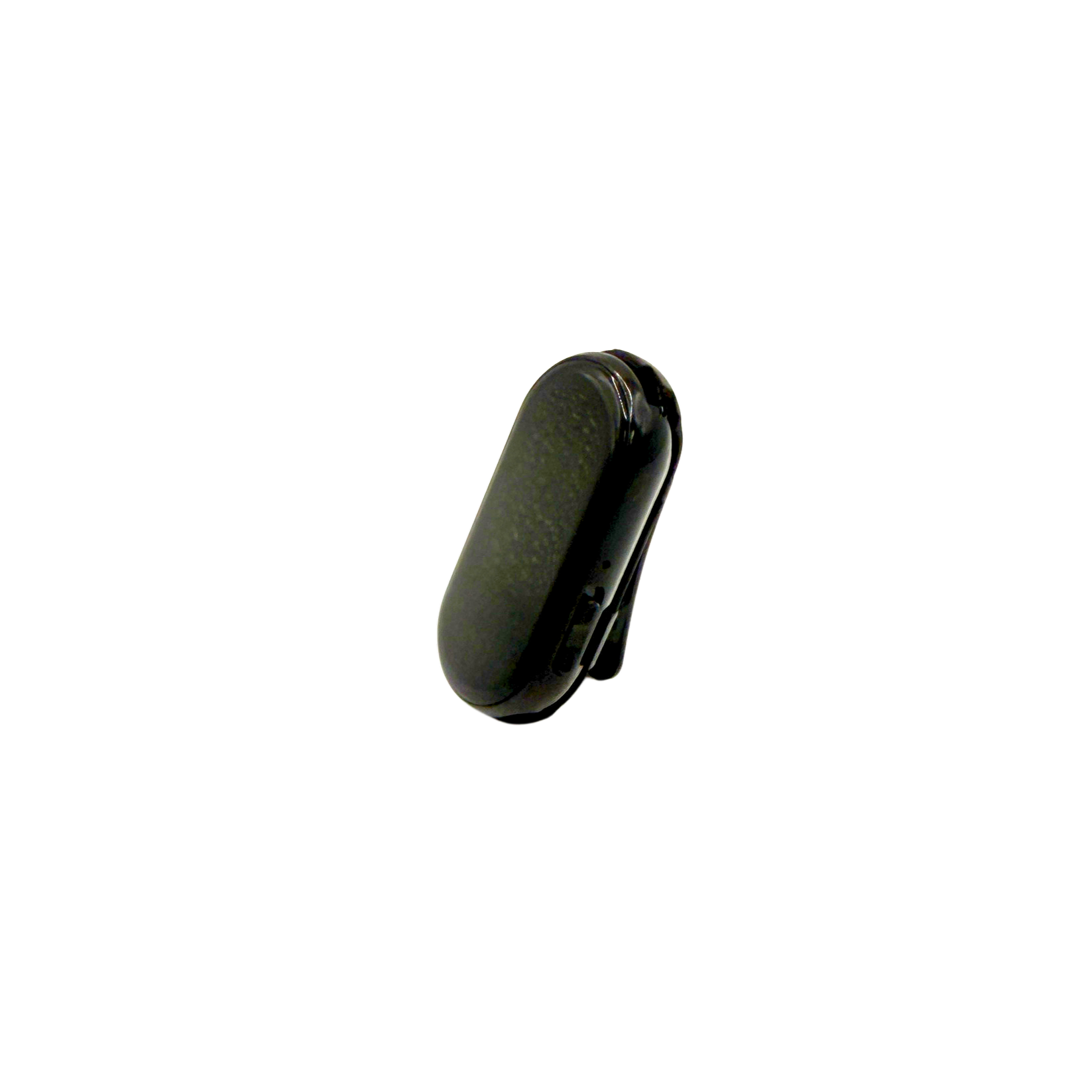
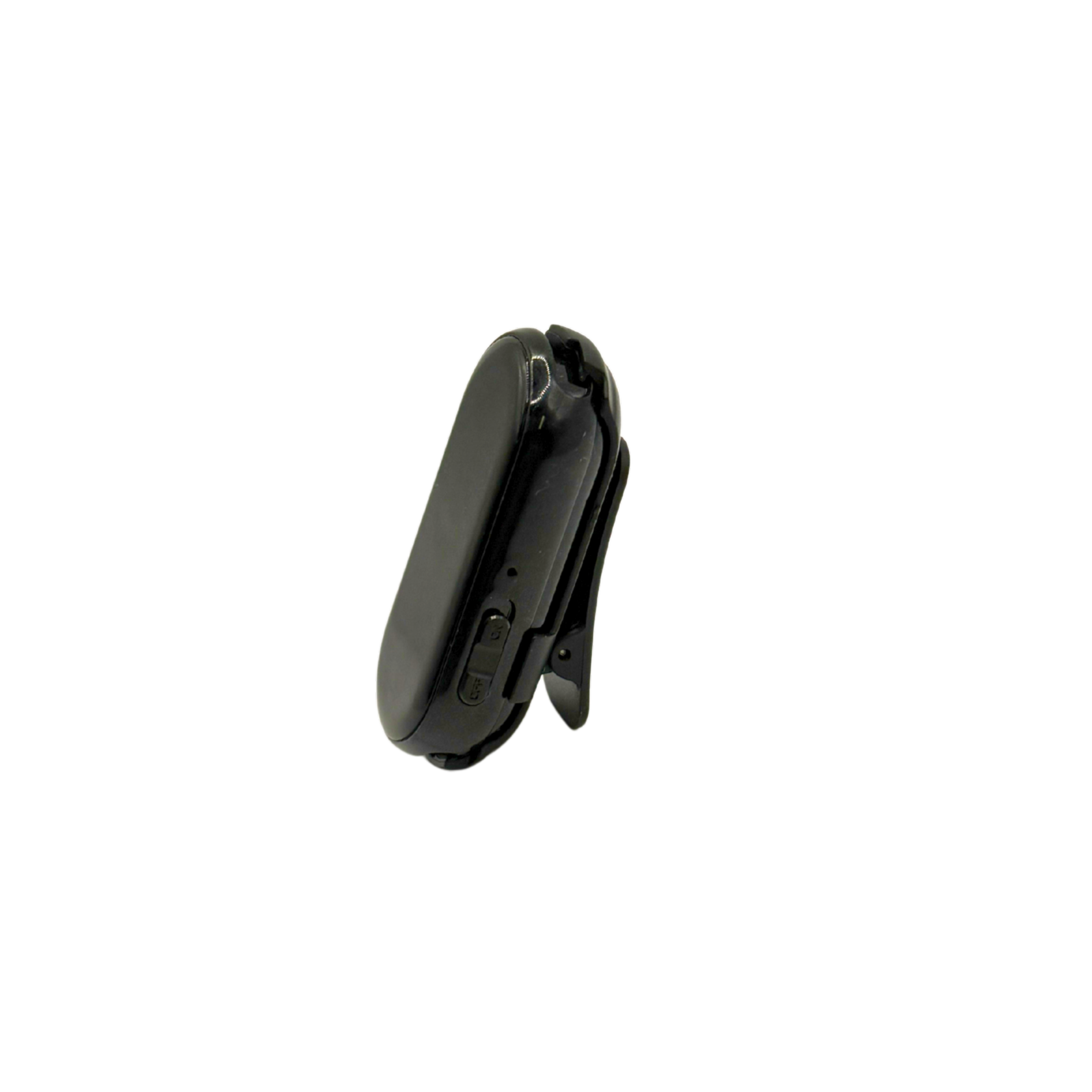
Low-profile wearable mic
iOS & Android app
 See It in ActionOr buy now — $60 →
The device
Built for the floor.
Drag to rotate
From the fieldOrder yours
"You don't know how you communicate until you listen to yourself. Mic'd Up will show you how you communicate with coaches, players, and fans."
Emanuel Wilson — 25-Year Veteran OfficialCommunication is the edge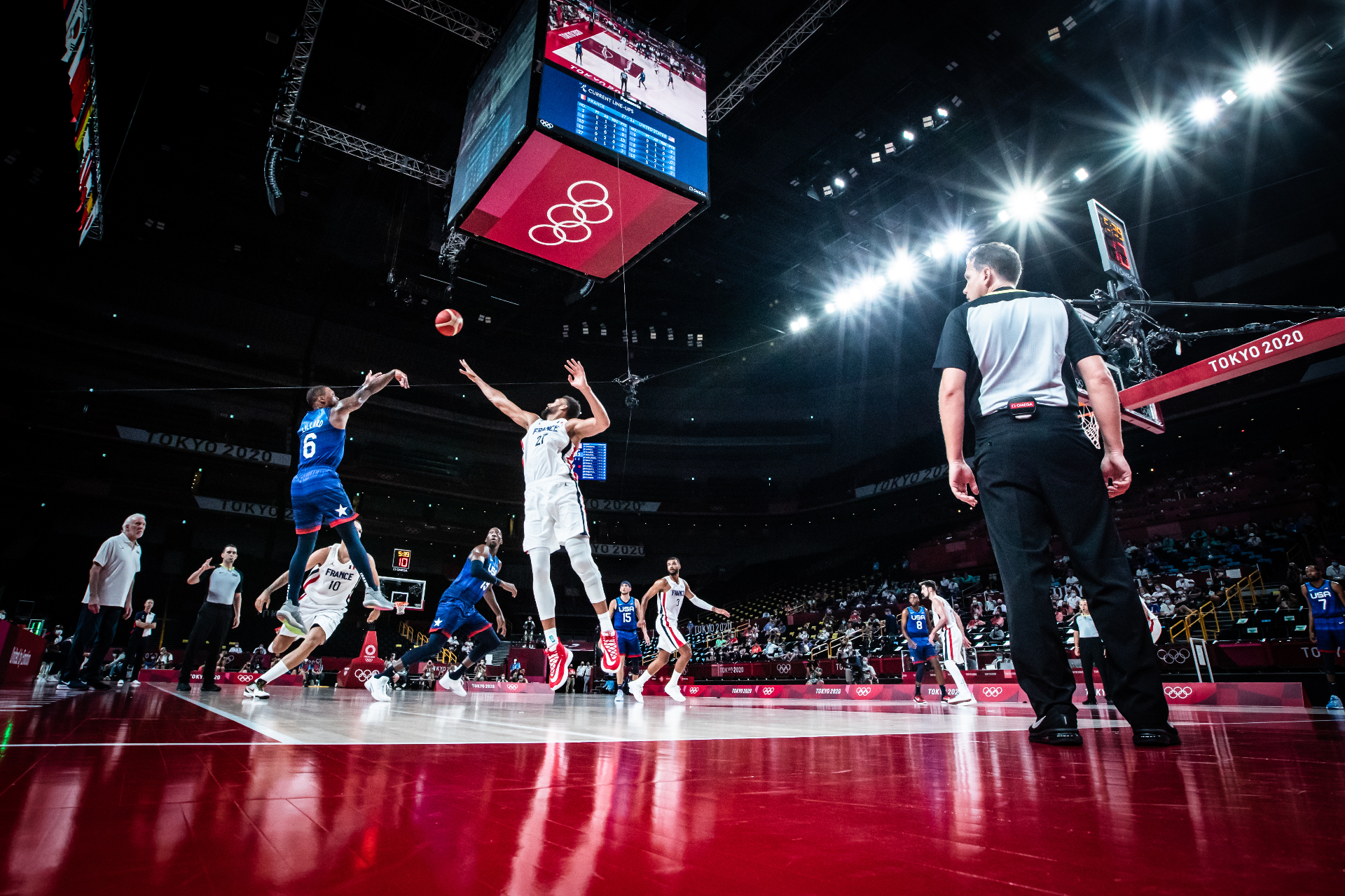 Michael Weiland, Mic'd Up Advisor
Michael Weiland, Mic'd Up AdvisorA good decision communicated poorly can be as damaging as a bad call — and the reverse is also true.
— Referee.com, "Effective Communication Improves Perception of Your Skills"A good decision communicated poorly can be as damaging as a bad call — and the reverse is also true.
— Referee.com, "Effective Communication Improves Perception of Your Skills"How you communicate shapes how you're perceived — often more than the call itself. Managing the game, framing tough calls, holding composure under pressure — these skills don't develop in a classroom — they develop from your own game footage.
Your custom breakdown
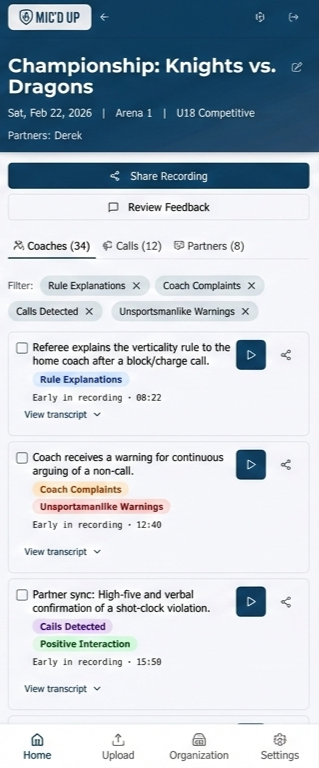
Your game. Broken down into moments you can use.
A timestamped record of how you communicate — so you can see what's working, sharpen what isn't, and own your development.
We make it easy.
01
Wear it.
Small mic. Clips to your uniform. Stays out of the way.
02
Upload.
Drop your audio into the app. You control who sees it.
03
Review.
See your communication broken down by moment.
04
Apply.
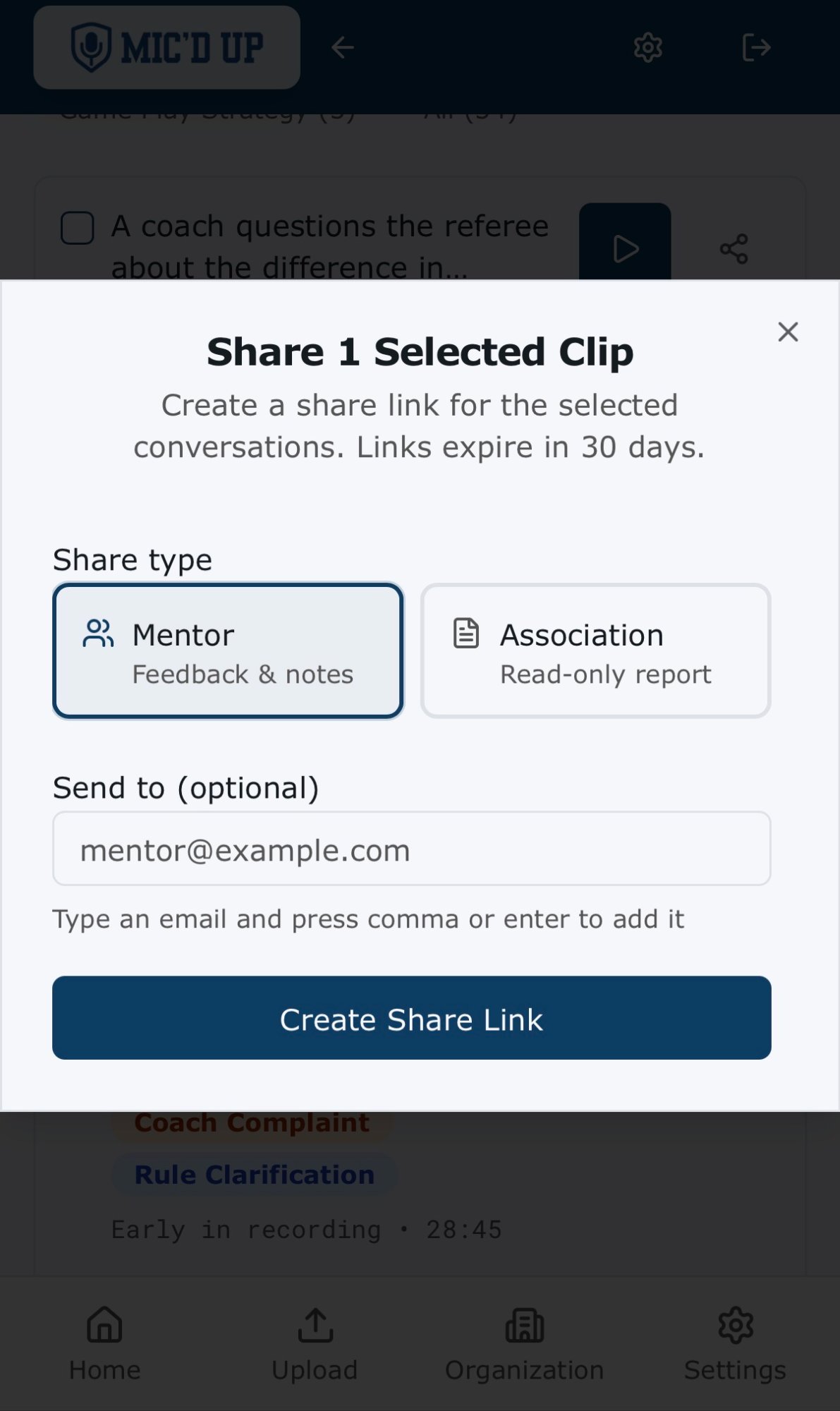
Share with a mentor, use in a report, or keep it private.
MentorReportPrivate
01
Wear it.
Small mic. Clips to your uniform. Stays out of the way.
02
Upload.
Drop your audio into the app. You control who sees it.
03
Review.
See your communication broken down by moment.
04
Apply.
Share with a mentor, use in a report, or keep it private.
The perception of bias
The research is clear.
The most respected officials make the room feel fair — through tone, composure, and how they explain decisions under pressure. That's what Mic'd Up is built to help you see and develop.
01
How you say it matters as much as what you say
Research on referee communication found that officials who acknowledge a player's perspective before stating a decision are perceived as significantly more respectful and skilled — even when the call goes against them. Hearing yourself back is often all it takes to notice where the tone shifted.
02
De-escalation is a trainable skill
Game management research identifies de-escalation as one of the highest-value officiating competencies. It's also the hardest to develop without real evidence of what you said in the moment. Memory is unreliable. Audio isn't.
"Officials want to use it for hockey and soccer too. Less player discipline now — it serves its purpose."
Ian Munn — Coordinator of Intramural Sports, University of Calgary"The product recognition is growing, and once this system is widely adopted, referees, coaches and players can expect a safer, more respectful event, with an environment for growth."
Adrienne — CBOA RefereeHockey AlbertaAlberta SoccerUniversity of CalgaryAlberta Basketball100+ Officials
Your audio. Your rules.Your privacy is
Your privacy is
our priority.
Recordings are encrypted and never shared without your explicit choice. Share a specific clip with your mentor, submit audio context for an incident report, or keep everything private.
Read our full privacy policy →Recordings are encrypted and never shared without your explicit choice. Share a specific clip with your mentor, submit audio context for an incident report, or keep everything private.
Read our full privacy policy →FAQ
Quick answers.
$60 for the device, free shipping, first month of analysis free. After that, $25 USD/month ($30 CAD) in-season. No contract — pause between seasons.More →
Any sport where officials communicate. We've run it in basketball, hockey, flag football, and soccer.More →
By default — no one. Your association doesn't get access to your individual games unless you give it to them, or unless they request a specific game for an investigation. If that happens, you'll know.More →
Individual orders: 3–7 business days. Association orders: 2–3 weeks.More →
30-day money-back guarantee.More →
Don't wait for feedback.
Go get it.
What's included
Mic'd Up DeviceMic + armband · Free shipping
$60 USDGame AnalysisFirst month free · Cancel anytime
$25/mo30-day money-back guarantee